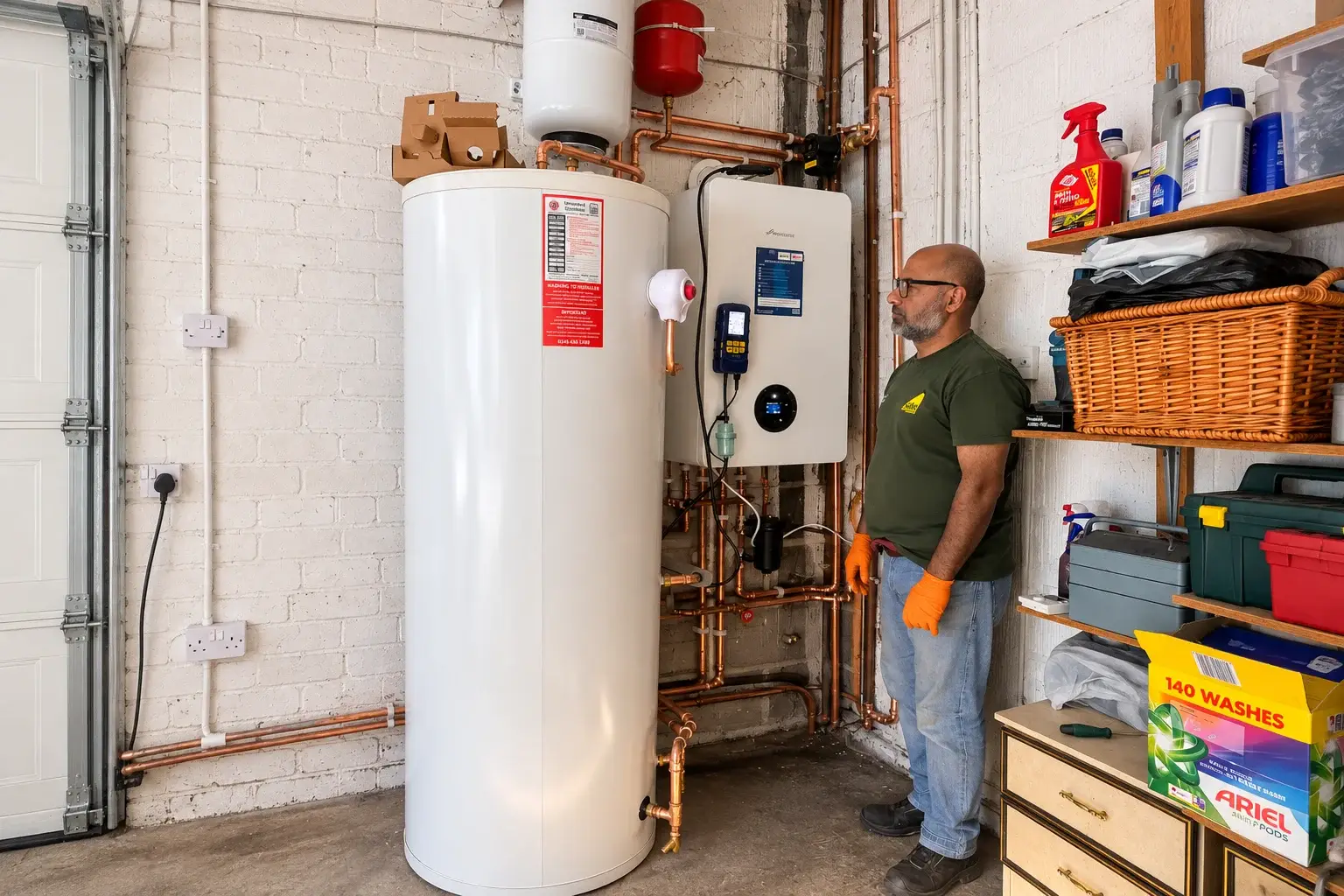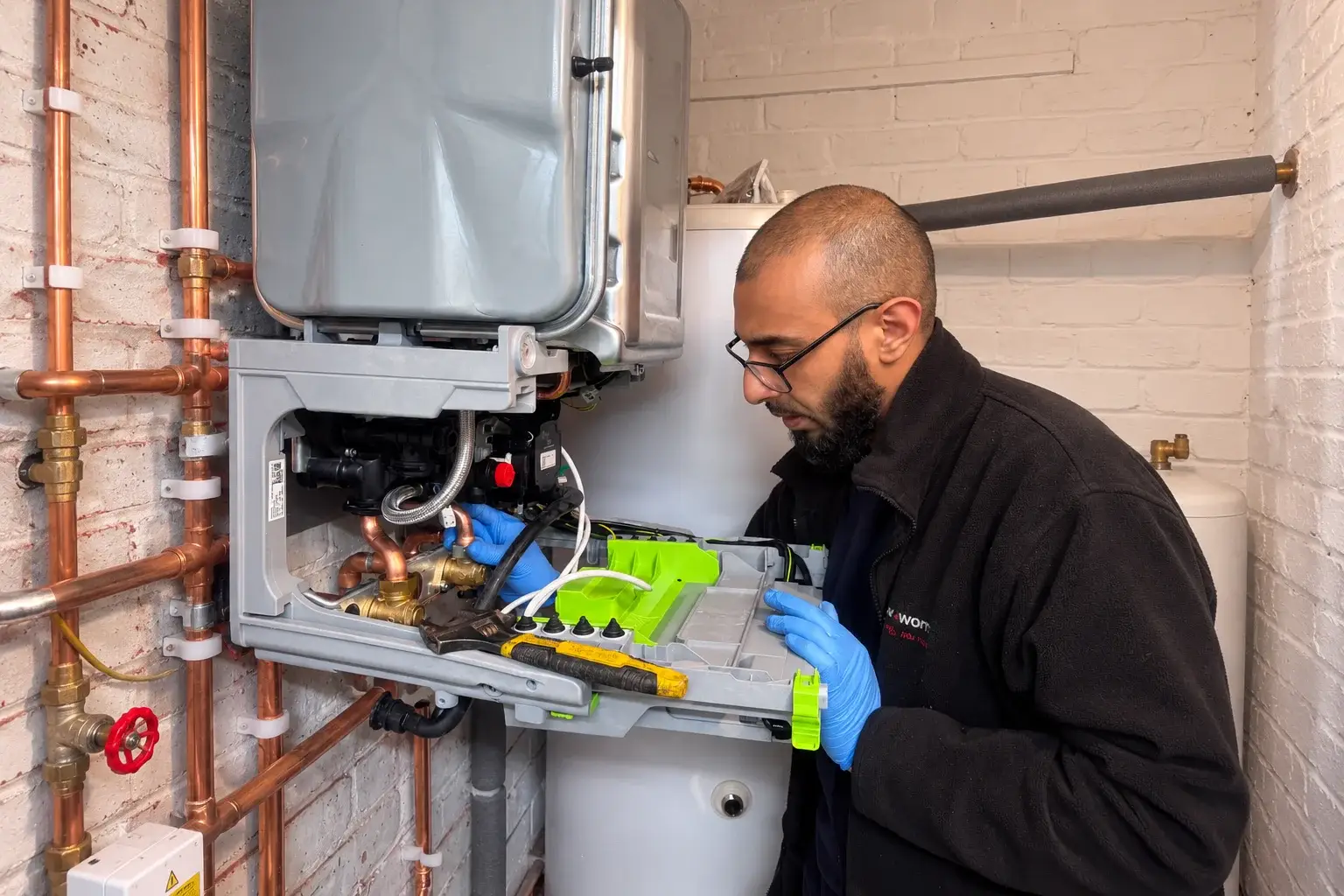

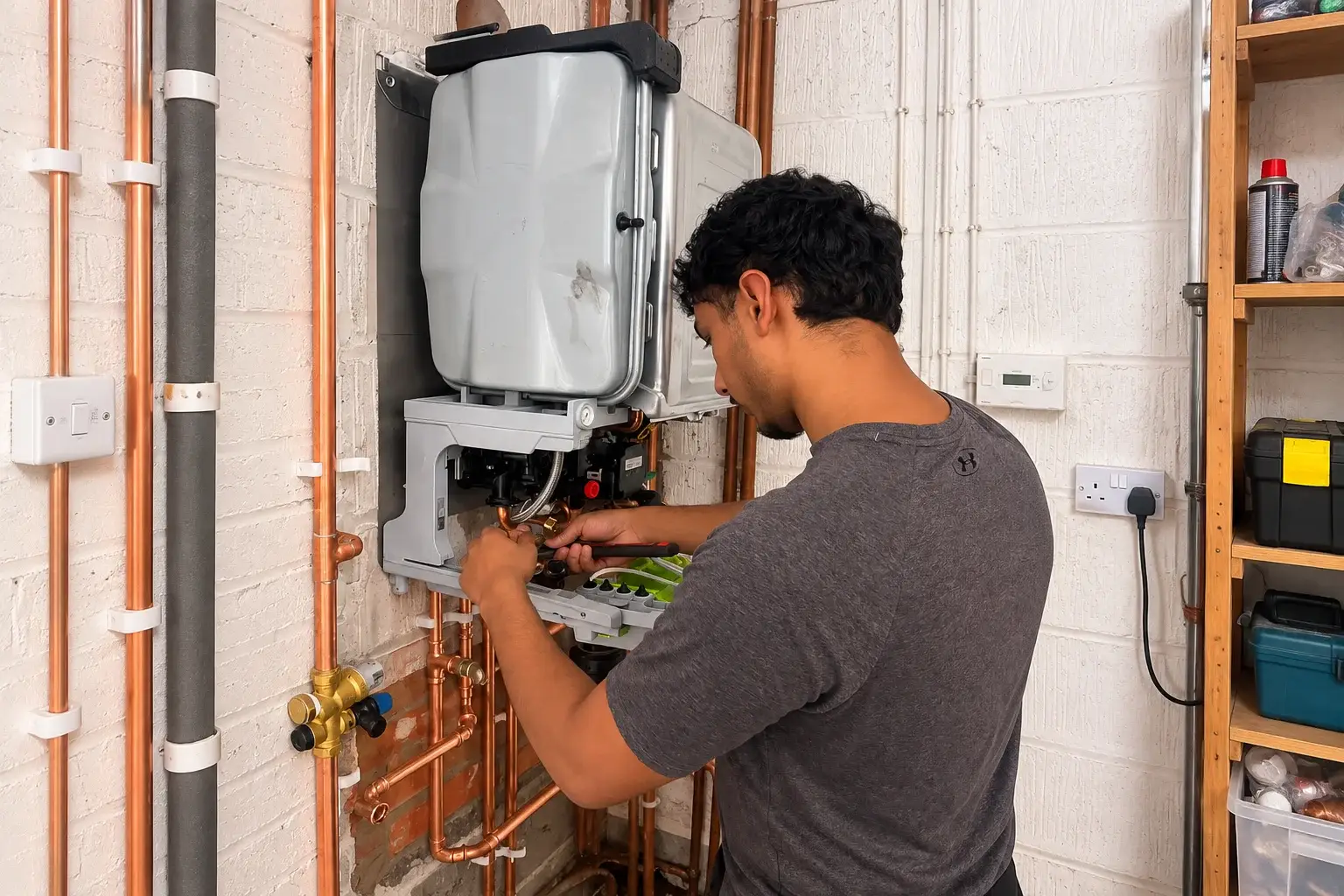
Low hot water pressure can make everyday activities such as showering, washing dishes, and running hot water appliances frustrating and inconvenient. When cold water pressure is normal but hot water flow is noticeably weaker, the issue may be related to the hot water cylinder, water heater, valves, pipework, or individual hot water outlets.
For homeowners in Manchester, understanding the common causes of low hot water pressure can help identify when professional hot water cylinder or water heater services may be required.
Mineral and Limescale Buildup
Mineral and limescale buildup can affect hot water systems over time. Deposits can accumulate around pipework, valves, taps, showerheads, and connections, gradually restricting the flow of hot water.
If the restriction becomes significant, you may notice that hot water flows much more slowly than cold water.
Regular inspection and appropriate maintenance can help identify buildup before it becomes a larger issue.
Problems With the Hot Water Cylinder
A problem with the hot water cylinder or associated components can affect the performance of your hot water system.
Depending on the type of system installed, issues may include restricted connections, component problems, or reduced system performance.
If hot water pressure has gradually decreased throughout your property, having the cylinder and wider system professionally assessed can help identify the cause.
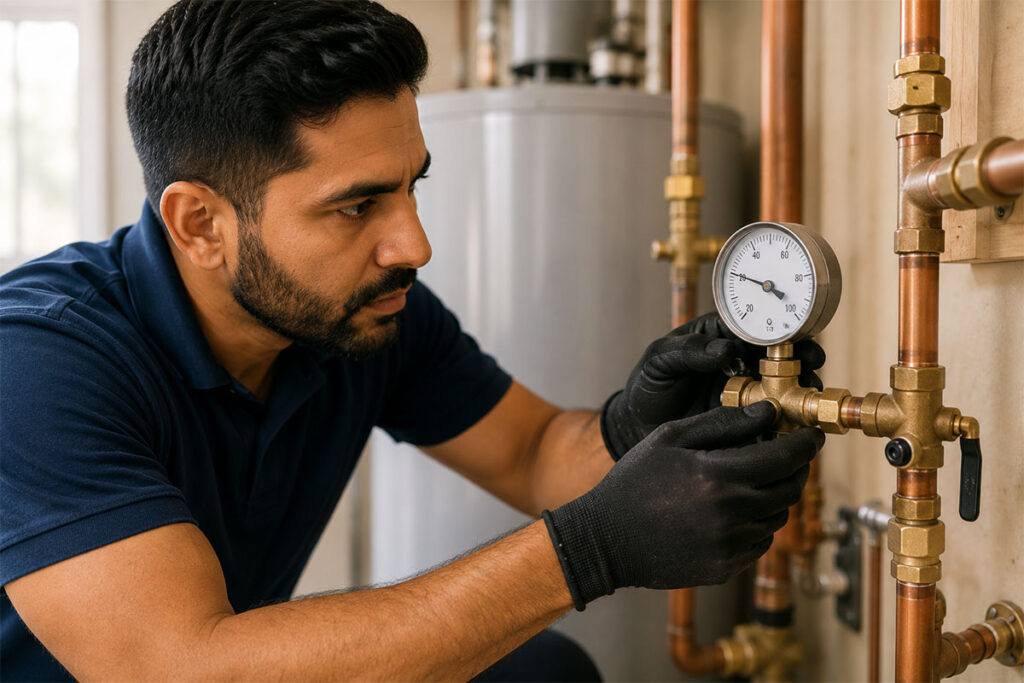
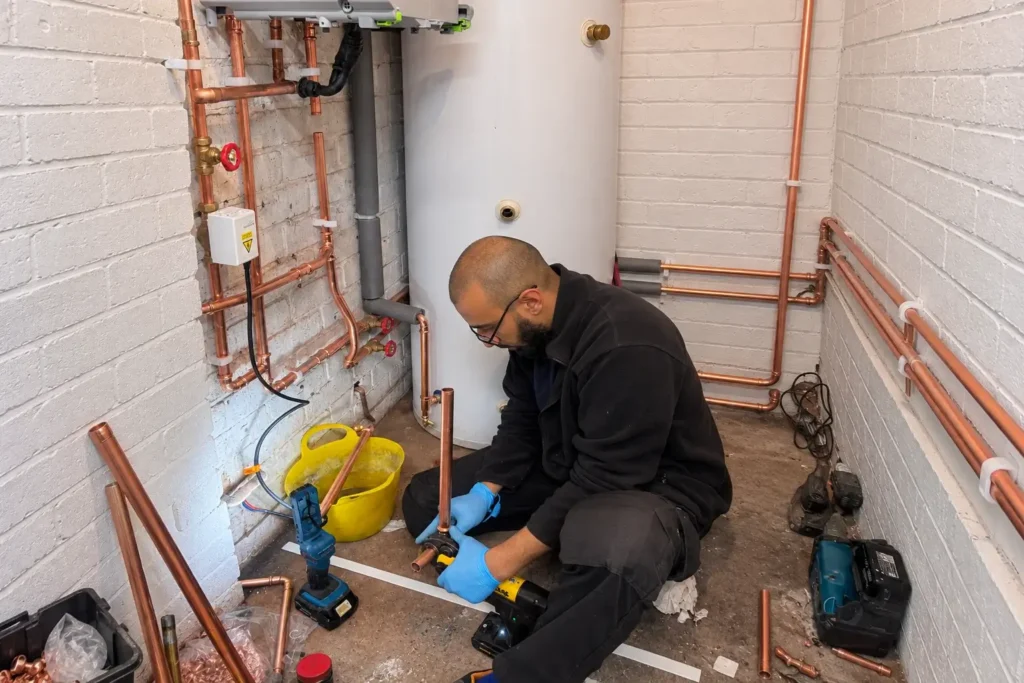
Low hot water pressure can result from several different issues, ranging from a restricted tap or showerhead to problems with valves, pipework, the water heater, or hot water cylinder. Identifying the source of the problem is important before deciding what repair or maintenance is required. If low hot water pressure is affecting your home, professional assessment can help determine the most appropriate solution.
Partially Closed or Faulty Valves
Valves play an important role in controlling water flow.
A partially closed valve can restrict the supply of hot water, while an older or damaged valve may develop internal problems that affect flow even when it appears to be open.
If you are experiencing reduced hot water flow, the relevant valves and connections should be checked as part of a professional assessment.
Is the Problem Only Affecting One Tap or Shower?
If low hot water pressure occurs at only one outlet, the problem may be local rather than related to the entire hot water system.
Possible causes can include:
- A blocked tap aerator
- A restricted showerhead
- A faulty tap cartridge
- A problem with the local connection
- A restricted supply pipe
Cleaning or replacing the affected component may resolve the issue in some cases.
Low Hot Water Pressure Throughout the Property
If every hot water outlet is affected, the problem may be associated with the wider hot water system.
Potential causes can include:
- Restricted pipework
- Valve problems
- Hot water cylinder issues
- Limescale or mineral buildup
- System configuration
- Increased demand for hot water
A professional assessment can help determine whether the problem is isolated to one component or affects the wider system.
Older Pipework and Restricted Flow
Older pipework can sometimes develop internal buildup or corrosion that reduces the available space for water to flow.
This can gradually affect hot water performance, particularly in older properties.
If the problem has developed slowly over time, inspecting the relevant pipework and hot water system may help identify the cause.
High Hot Water Demand
Sometimes the issue may not be a fault with the system itself.
If several hot water outlets are being used at the same time, the available hot water supply may be affected depending on the property’s system and capacity.
A professional can assess the existing hot water system and determine whether it is suitable for the property’s current requirements.